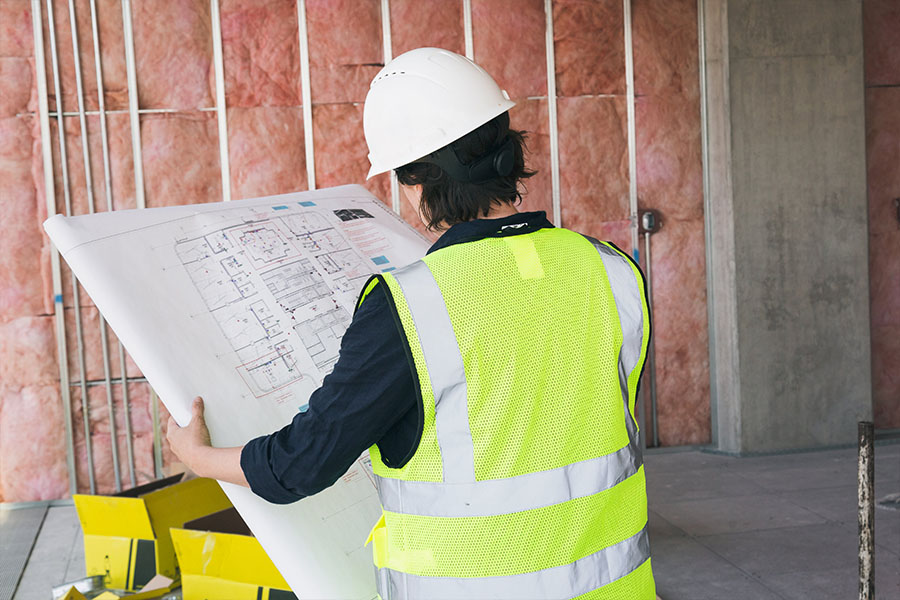
As a building inspector in Nova Scotia, Canada, I understand the importance of building safety for homeowners. Here are some essential building safety tips to help you maintain a safe and secure home:
- Fire Safety:
- Install smoke detectors on every level of your home and test them regularly.
- Have a fire escape plan in place and practice it with your family.
- Keep flammable items away from heat sources and have fire extinguishers readily accessible.
- Electrical Safety:
- Have a licensed electrician inspect your wiring and electrical panel regularly.
- Avoid overloading electrical outlets and extension cords.
- Replace damaged cords or plugs immediately and avoid using frayed wires.
- Structural Safety:
- Regularly inspect your roof for damage, leaks, or missing shingles.
- Check for cracks in the walls, foundation, or basement that could indicate structural issues.
- Keep your gutters clean and ensure proper drainage to prevent water damage.
- Indoor Air Quality:
- Ensure good ventilation in your home to prevent mold and mildew growth.
- Test for radon gas, a common indoor air pollutant in Nova Scotia.
- Use exhaust fans in kitchens and bathrooms to remove moisture and reduce humidity levels.
- General Safety:
- Keep your home clear of clutter and trip hazards to prevent accidents.
- Have your heating and cooling systems serviced annually to ensure they are functioning safely.
- Secure windows and doors with proper locks to prevent break-ins.
By following these building safety tips, homeowners in Nova Scotia can create a safe and secure environment for themselves and their families. Remember, regular maintenance, inspections, and attention to detail are key to ensuring a safe living space. If you have any concerns about the safety of your home, do not hesitate to contact a licensed building inspector for a professional assessment.